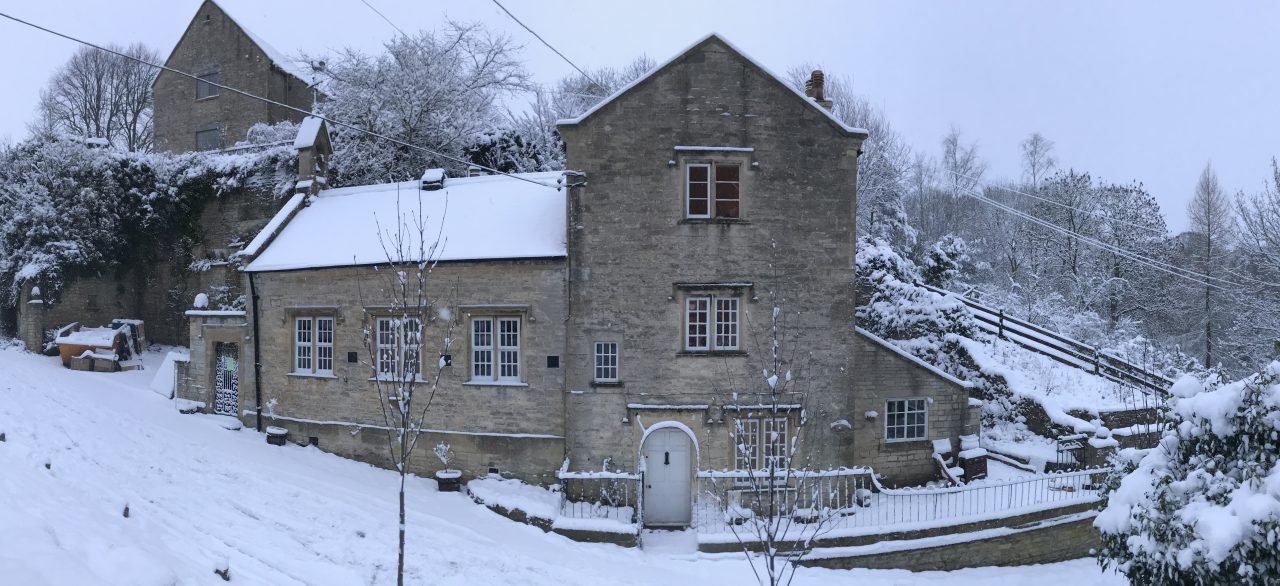
We've been toying with what exactly to do to all the crumbling walls and ceilings. It's mainly lathe and plaster - a right pain in the backside to deal with. It crumbles, it doesn't hold up well to movement and the plaster is as nothing without its lathes. Modern plasterboard gets around this by being encased in tough paper. This means that it'll hold is sheet like shape pretty much come what may.
Do we rip all the plaster off the lathes and start again? Will the lathes need replacing too? Should we seek permission to change it all for modern plasterboard?
Or we could just patch up the cracks and paper over it all. We're telling ourselves that in doing so we'll preserve the original materials, add insulation and embrace that oldy-woldy look.
What we're discovering is that lining papers are not all the same. We were aware of the different thicknesses, up to 2000 (presumably grams per square meter or gsm (copier paper is typically 80gsm)) and that layering is also a done thing. A jaunt to Wickes to investigate what we might want (two 1000s or one 2000) threw open the doors to a whole other universe. You can also get fibreliner. Time to hit up the internet.
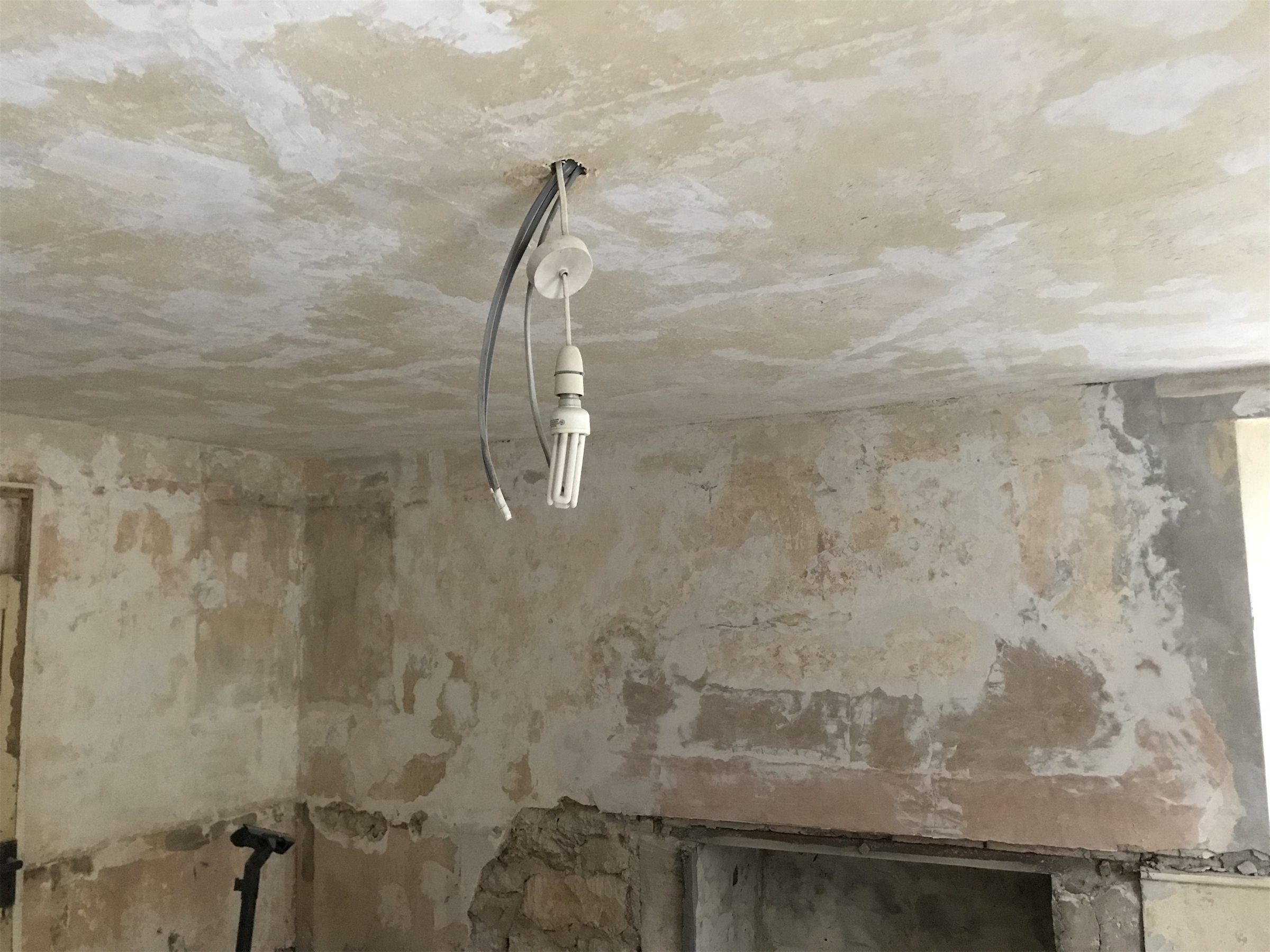
All this is by the by though, as Beth has been going at the surfaces if not quite hammer and tongs, then at least yoghurt pot and spatula. And sander. The walls may not look like much yet, certainly not in a photo, but up close they're so much better. The blotchiness of colour belies the smoothness. No longer are the walls pock-marked but merely undulating. Something we've come to expect from old Victorian buildings.
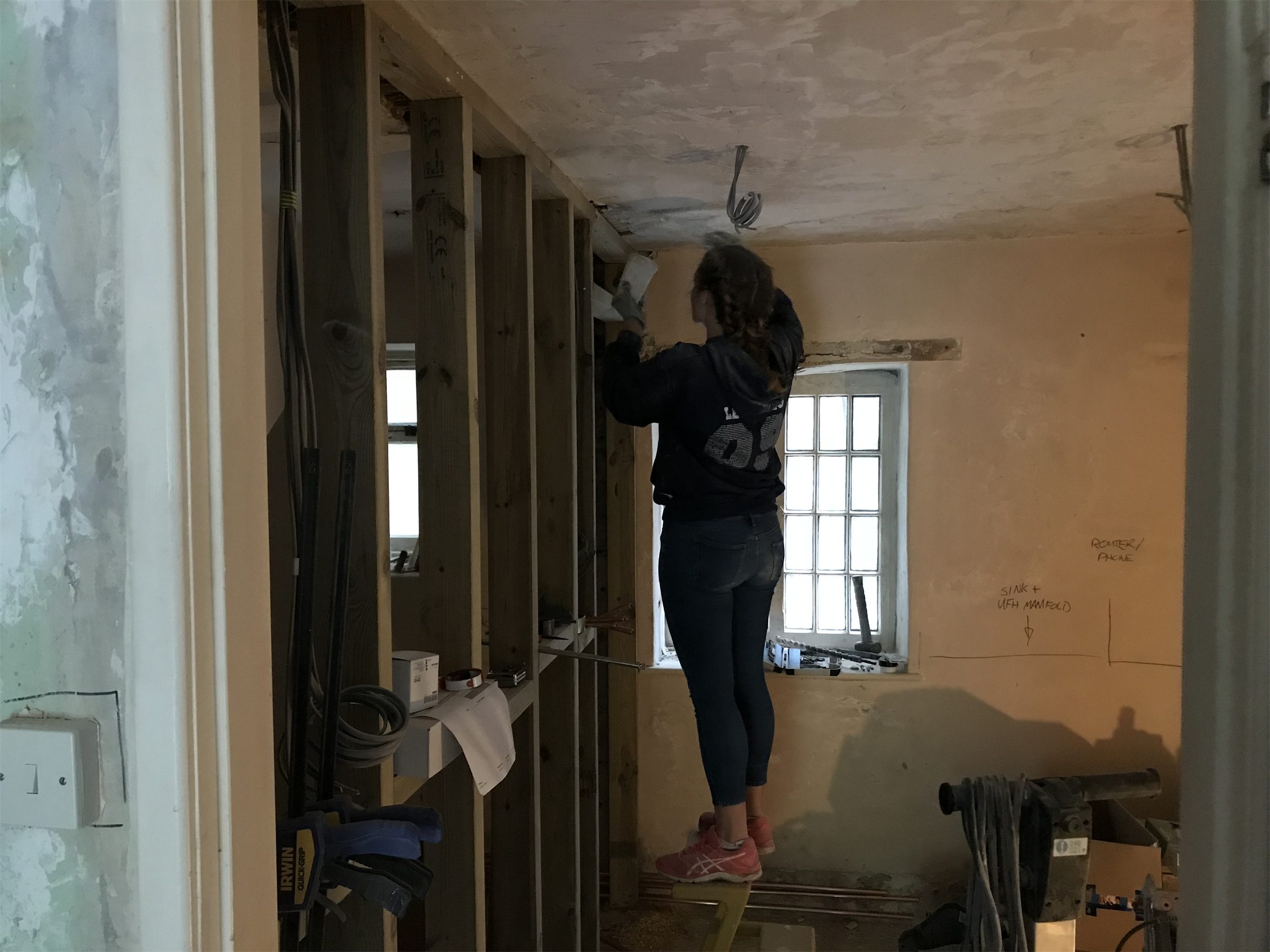
Sadly the electrician is due back in this week and will be chasing the walls. Two steps forward, one step back.